

UrgoTouch® for Gynecologists
Innovative Solution for Optimal Scar Healing in Gynecology
Are you looking for an effective and gentle solution to improve your patients’ scar healing results after a c-section surgery? UrgoTouch® is specifically designed to optimize surgical scar results.
Why is UrgoTouch® ideal for your gynecological practice?
Optimal healing for aesthetic and functional results
- Scar volume reduction of up to 53%*: UrgoTouch® reduces the risk of hypertrophic scars, which are common after a caesarean section.
- Immediate comfort: Applied in a single session under anesthesia, UrgoTouch® is completely painless for patients.
- Easy to use: Integrates seamlessly into surgical protocols, without the need for additional patient training.
- Clinically proven efficacy: The safety and efficacy of UrgoTouch® have been demonstrated by the SLASH clinical study, conducted on 40 patients who underwent breast reduction.
Improving patient satisfaction
- Fewer follow-up visits: reduced scar complications mean fewer appointments for scar-related issues.
- Improved quality of life: Patients can return to their daily activities with confidence, thanks to discreet scars.
- 80% satisfaction rate: 80% of patients treated with UrgoTouch® are very satisfied with their scars, compared to 65% for those who used alternative solutions (laser, radiofrequency, etc.)**.
Integrate UrgoTouch® into Your Practice
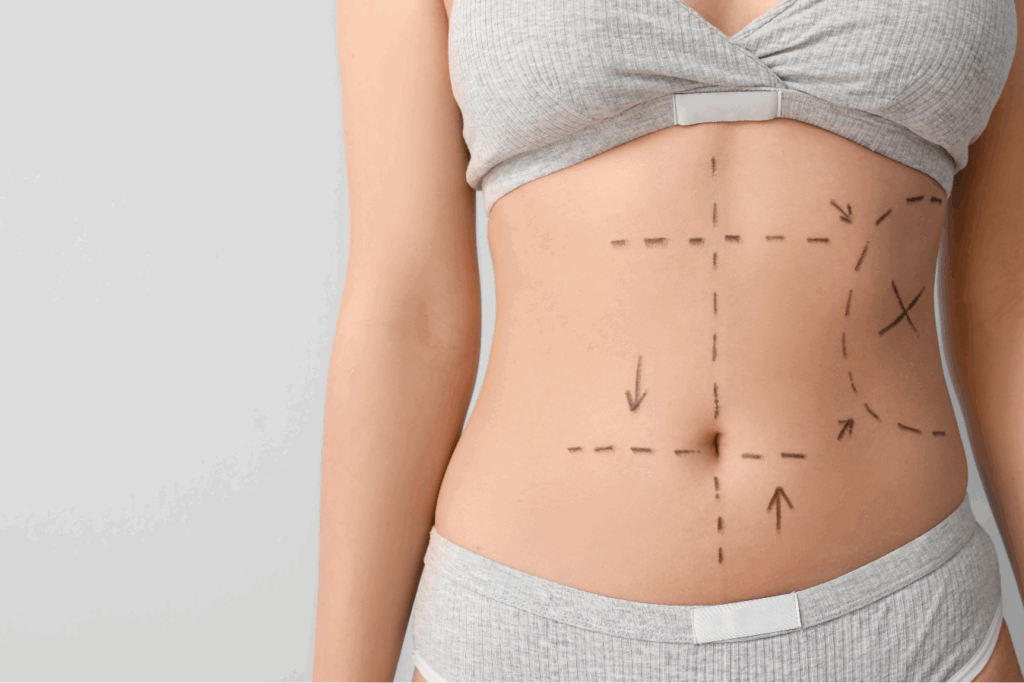
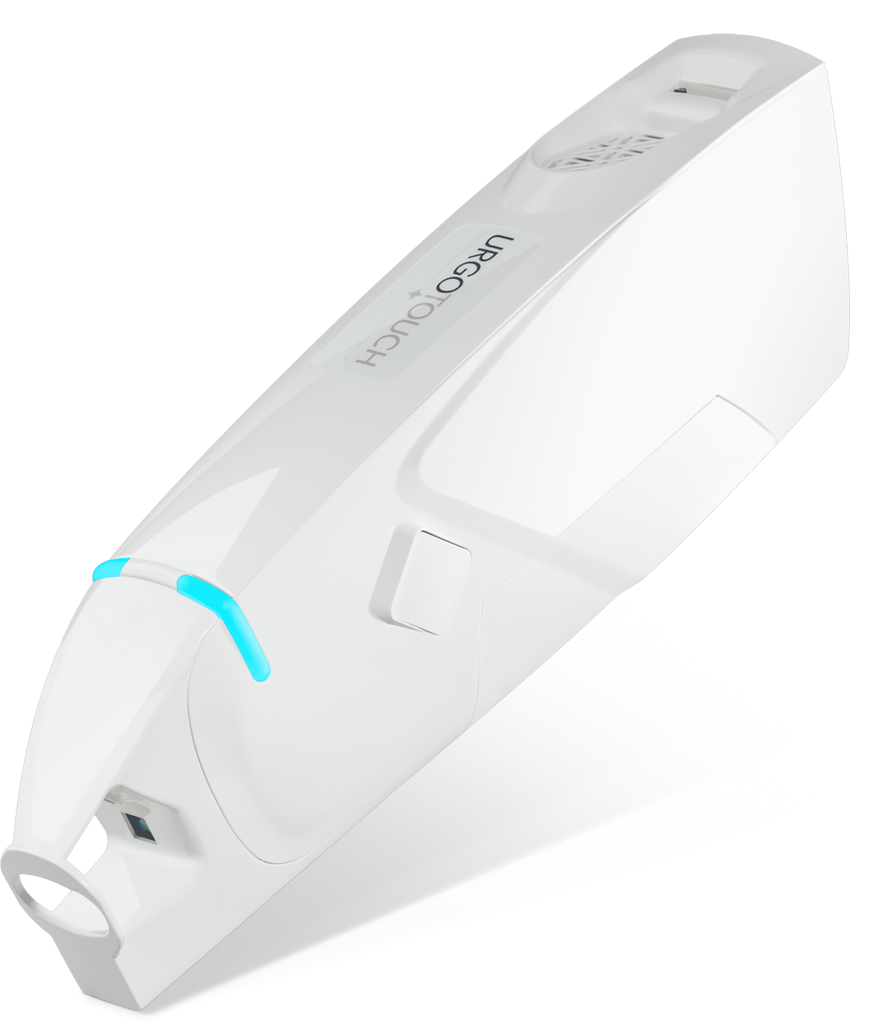
Simple protocol : Apply as soon as the suture is finished, directly in the operating room. Each shot takes only 5 to 15 seconds.
Compatibility: Suitable for all surgical body scars where the skin is thicker than 4mm, and works on all skin phototypes, including dark skin tones.
Find out how UrgoTouch® can transform the postoperative care of your patients. Contact us for a demonstration.
*A 1 Year Follow-up of Post-operative Scars After the Use of a 1210nm Laser Assisted Skin Healing (LASH) Technology: A Randomized Controlled Trial. D.Casanova, ed. Aesthetic Plastic Surgery Journal. Feb 2017 – Reduction of 53% observed in a patient with dark phototype
**Conjointly Study on 40 Patients having gone through aesthetic surgery, Nov. 24